A high school student can publish with Springer, and the most realistic route is a peer-reviewed paper at an academic conference whose proceedings Springer Nature publishes in one of its Lecture Notes series. The paper is selected by the conference's program committee, published on Springer Nature Link, and judged on the same standard as every other submission, with no age requirement.
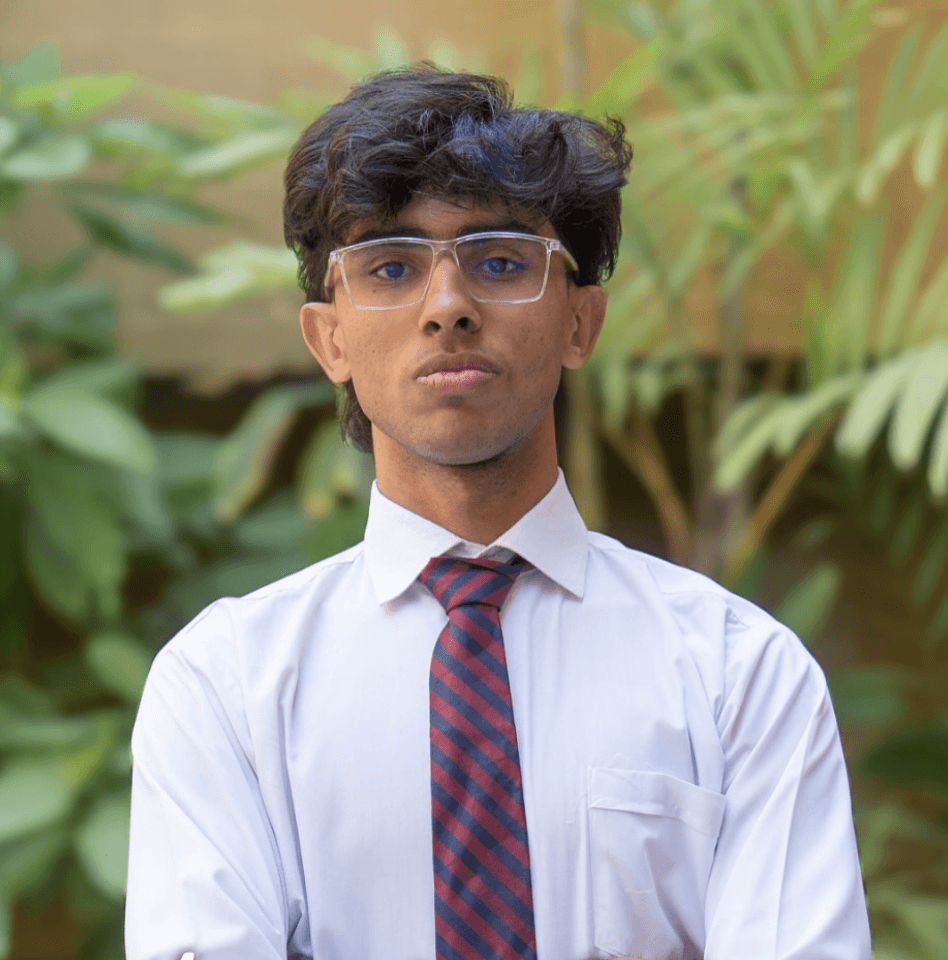
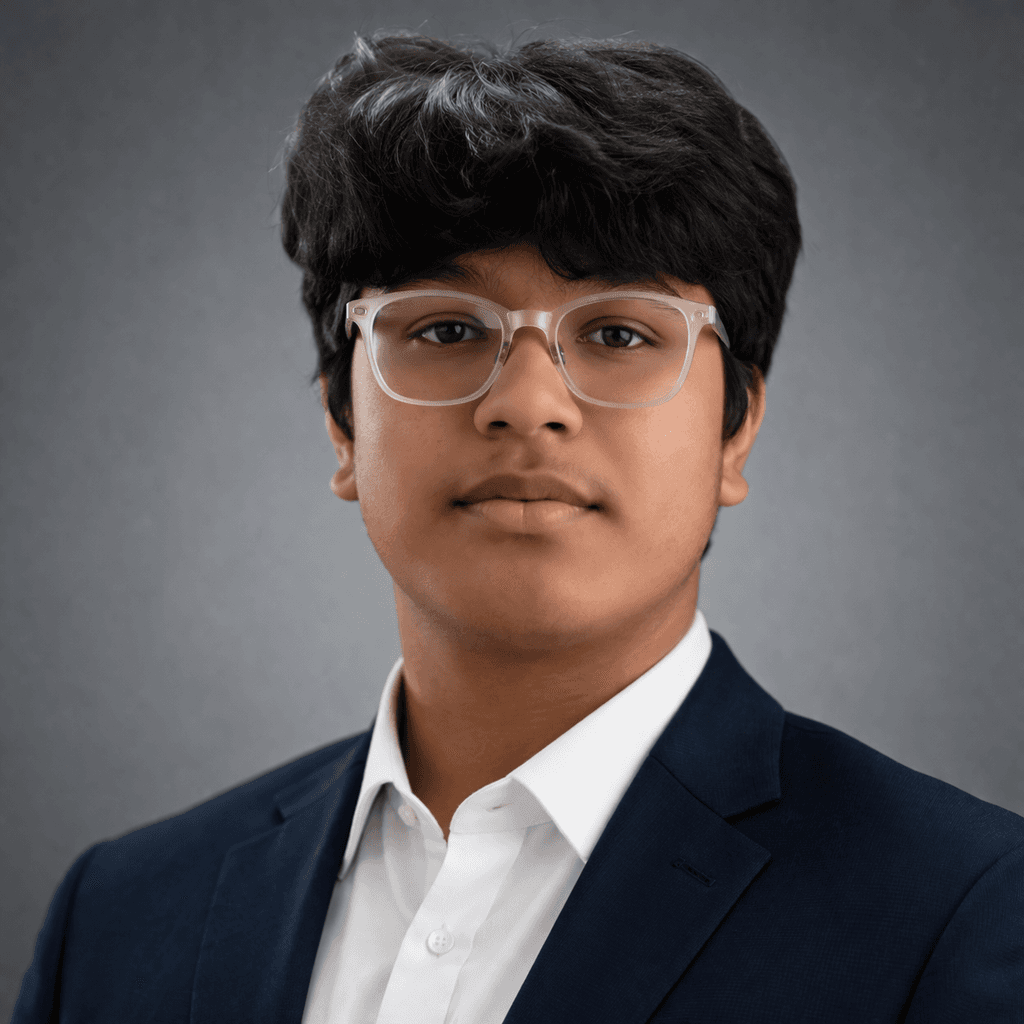
YRI Fellows have done it. Ashwajit Warwatkar published a first-author paper in Springer's Lecture Notes in Electrical Engineering and presented it at BICA 2026 in Mérida, Mexico, two months after enrolling. Elliot Wong, a 10th grader, had a paper accepted at BioMRH 2026 in Glasgow, with proceedings in Springer's Lecture Notes in Networks and Systems. This guide explains how that route works: what Springer publishing means, which venues fit a first paper, how review works, what the paper must look like, the timeline and the costs.
What "publishing in Springer" means
Springer is part of Springer Nature, a major academic publisher. It publishes three things a student might aim for:
- Conference proceedings. Springer Nature says it publishes more than 2,000 proceedings titles each year. Many appear in named book series such as Lecture Notes in Computer Science (LNCS), Communications in Computer and Information Science (CCIS), Lecture Notes in Business Information Processing (LNBIP), and other Lecture Notes series across engineering and the sciences.
- Journals. Springer publishes a large catalog of peer-reviewed journals. These have longer review cycles and are a higher bar for a first paper.
- Books and book chapters, which are rarely a fit for student research.
For a student, the realistic target is a conference paper in a Springer proceedings volume. Two of the series YRI Fellows have published in, Lecture Notes in Electrical Engineering and Lecture Notes in Networks and Systems, are indexed in Scopus and EI Compendex, which means the paper is findable in the databases researchers use.
How Springer proceedings differ from IEEE
The two routes look alike: a conference reviews papers, accepted papers are presented and published, and the publisher indexes them. The main difference is who chooses what. Springer Nature selects which conferences' proceedings it will publish, and the conference's program committee selects the individual papers. IEEE works similarly through its sponsored conferences. If you are comparing the two, our guide to publishing in IEEE as a high school student covers the IEEE side, and IEEE Conference vs Journal explains the conference and journal tiers.
Which Springer venues fit a first paper
Any conference with Springer proceedings will accept a paper that passes review. In practice, these are the most realistic for a first paper:
- Specialized international conferences with a defined topic, such as biologically inspired cognitive architectures or biomechatronics in healthcare. A narrow scope means reviewers who know your exact area.
- Conferences in emerging fields, where early, well-executed work is welcome and the related literature is manageable.
- Workshops and short-paper tracks at larger conferences, which accept shorter, earlier-stage work.
The fit matters more than the name. A biomedical engineering paper belongs at a biomedical engineering conference. Sending it to a general computing conference invites a rejection for scope before anyone reads the method.
Be careful with venues that find you. A legitimate conference lists its organizers, program committee, review process and the publisher of its proceedings. An email promising "guaranteed Springer publication" for a fee is a warning sign, and so is a site that uses the Springer name loosely without naming the series. How to Spot a Predatory Journal has the full checklist.
How review works
Reviewers are researchers in the field. Ashwajit's reviewers scored his work 5 out of 5 for novelty and significance, and his talk was selected for oral presentation, the conference's highest presentation tier.
What the paper has to look like
Springer's instructions for its computer science proceedings are specific, and many conferences in other fields follow similar templates. Key points:
- Template. Papers are prepared in LaTeX or Microsoft Word using Springer's templates, which are also on Overleaf. Word files must be saved as .docx, not macro-enabled files.
- Length. Springer lists the most common types as full papers of 12 to 15 or more pages and short papers of 6 to 11 pages. Papers under 4 pages may be moved to the back matter, where they are not indexed or visible as individual papers.
- Authors. Names, affiliations and author order must be final before the paper goes to Springer Nature. After that, authors cannot be added, removed or reordered. Springer encourages ORCID identifiers next to each name. A high school is a valid affiliation.
- Corresponding author. One per paper, responsible for checking the proof and signing the license on behalf of all authors.
- References. Numbered citations in brackets, references written in the Latin alphabet, and DOIs strongly encouraged.
- Figures. Clear and legible, with captions below figures and above tables. Printed volumes are generally black and white, so figures must still read in grayscale. Alternative text is now required for figures and tables.
Inside that template, the content follows the usual research structure: an abstract with the main result, an introduction with the gap and contribution, related work, method, results against a baseline, discussion with limitations, and a conclusion. How to Write Your First Research Paper walks through each section.
The timeline from idea to Springer Nature Link
A realistic schedule for a first paper with a mentor:
| Month | What happens |
|---|---|
| 1 | Read the literature, choose the question, pick a target conference with a deadline three to five months out |
| 2 | Design the method, prepare data and tools, set a baseline |
| 3 | Run experiments and analysis, draft method and results |
| 4 | Complete the draft in the Springer template, mentor review, revise, submit |
| 5 to 6 | Reviews arrive, revise, submit camera-ready and license |
| 6 to 9 | Present at the conference; the volume is published |
Some students move faster when the research is well underway and a deadline lines up. Ashwajit went from YRI enrollment to Springer acceptance in two months. Most first papers take longer, and that is fine. Starting by the winter of junior year keeps a paper on track for college applications.
What it costs
Springer Nature says there are no publication fees for conference proceedings, except for open access publication. The cost a student does face is the conference registration fee, which each conference sets and which usually must be paid by an author for the paper to be included. Travel is extra for in-person presentation, and some conferences allow online presentation. A venue that charges just to submit, or quotes a "publication fee" without explaining open access, deserves a second look.
Why high school submissions get rejected
- No clear contribution. The paper describes what was done but never states what is new.
- A thin related-work section. Reviewers read it to judge whether the author knows the field.
- No baseline. A result means little without a comparison.
- Overclaiming. Conclusions bigger than the data supports.
- Wrong conference. A strong paper sent to the wrong scope is rejected without a full read.
- Template problems. Ignoring the Springer format signals carelessness before the science is read.
Every one of these is fixable with an experienced mentor who has been through review.
Frequently Asked Questions
Can a high school student publish in Springer?
Yes. Springer has no age requirement for authors. Papers are judged on their merits by the conference program committee or journal reviewers. High school students publish in Springer proceedings, usually with a mentor and a paper with a clear contribution.
What is the difference between a Springer journal and Springer proceedings?
Proceedings collect the peer-reviewed papers from a conference, selected by the conference's program committee on a fixed schedule. Journals review papers on a rolling basis through editors and reviewers, take longer and are a higher bar for a first paper.
Are Springer conference proceedings peer-reviewed?
Papers in Springer proceedings are selected by the conference's program committee through review. Check each conference's call for papers for its review process and the series its proceedings appear in.
How much does it cost to publish in Springer?
Springer Nature charges no publication fees for proceedings except for open access. The conference registration fee, set by each conference, is usually required for an accepted paper to be published.
How long is a Springer conference paper?
Springer's proceedings instructions list full papers at 12 to 15 or more pages and short papers at 6 to 11 pages. Each conference sets its own limit within that.
Does a Springer paper help with college admissions?
A Springer paper can be looked up by anyone, and it shows work judged by experts outside the student's school. See Does a High School Publication Help College Admissions?.
How YRI Fellows publish in Springer
The YRI Fellowship is built for this sequence. Each Fellow works one-on-one with a PhD mentor every week for 10 weeks to produce original research. An editing team reviews every draft, and a publishing team chooses the right venue and gets the paper into IEEE, Springer or Elsevier journals and conferences, with free help until it is published. Fellows are first authors on their papers, and the mentor writes a letter of recommendation. No research experience is needed.
87% of Fellows publish. Read how Ashwajit and Elliot reached Springer, and browse every paper on the Published Work page. The Fellowship is $2,997, or 3 payments of $999, with scholarships considered case by case. See tuition and apply to the YRI Fellowship. Decisions come within 48 hours.
Sources
- Springer Nature: Conference proceedings, step by step (2,000+ titles a year, series, selection by program committees, fees)
- Springer: Instructions for Authors of Papers to be Published in Springer Computer Science Proceedings (PDF)
- YRI case study: Ashwajit Warwatkar (Springer LNEE, BICA 2026)
- YRI case study: Elliot Wong (BioMRH 2026, Springer LNNS)
- YRI: Published Work
- YRI: Research Fellowship