YRI vs Veritas AI comes down to two things: the field and the finish line. Veritas AI is an AI-only program whose one-on-one AI Fellowship runs 15 weeks with 15 mentor sessions and 4 publication sessions, and is reported at $5,900; the YRI Fellowship is 10 weeks of weekly one-on-one work with a PhD mentor in any field, including AI, for $2,997, built to get a first-author paper into IEEE, Springer or Elsevier journals and conferences. Pick Veritas AI if your student wants a guided first course in machine learning with peers; pick YRI if the goal is a published paper, science fair results and a stronger college application.
We run YRI, so read this with that in mind. Facts about Veritas AI come from Veritas AI's own pages and one named third-party fee guide as of November 2026, all linked in the Sources section. Where something is our opinion, we say so. For a deeper look at Veritas AI on its own, read our Veritas AI review.
YRI vs Veritas AI at a glance
| Veritas AI Fellowship | YRI Fellowship | |
|---|---|---|
| Price | Not listed on program pages; reported at $5,900 | $2,997, or 3 payments of $999 |
| Group entry tier | AI Scholars, Veritas AI says high school programs start at $2,690 | None; one program |
| Format | 1:1, 15 mentor sessions plus 4 publication specialist sessions | 1:1 with a PhD mentor every week |
| Length | 15 weeks plus a publication timeline | 10 weeks, then free help until published |
| Field | AI and machine learning only | Any field, including AI and machine learning |
| Prerequisite | Python basics or AI Scholars | None; no research experience needed |
| Venues named | National High School Journal of Science, American Journal of Student Research | IEEE, Springer and Elsevier journals and conferences |
| Publication figure | 79% of submitted papers accepted (Veritas AI internal data) | 87% of Fellows publish |
| Competition prep | Student research has been presented at Regeneron ISEF | ISEF and JSHS preparation included; 73% of Fellows place |
| Writing support | Publication specialist sessions | An editing team on every draft |
| Letter of recommendation | Can be requested from the mentor | Included from the mentor |
| Aid | Need-based, up to 100% | Scholarships case by case |
What each program costs
Veritas AI does not print prices on its program pages. Its own blog post on whether the program is worth it says high school programs "start at $2,690" for AI Scholars. Immerse Education's 2026 fee guide reports AI Scholars at $2,490, the AI Fellowship at $5,900 and a combined Scholars plus Fellowship bundle at $7,900, and tells readers to check the official site for current pricing. The newer AI Accelerator track (30 mentor sessions plus 4 publication sessions) has no published price. Since the figures differ by source, ask Veritas AI for the current fee in writing before you apply.
Veritas AI offers need-based financial aid of up to 100% and says it has awarded more than $290,000 to date. Ask which programs the aid applies to, especially if the one-on-one Fellowship is the track you want.
YRI has one Fellowship price: $2,997, or three payments of $999. That covers weekly 1:1 sessions with a PhD mentor, an editing team on every draft, a publishing team that handles venue selection and submission, ISEF and JSHS preparation, a mentor letter of recommendation, and continued help at no extra cost until the paper is published. Scholarships are considered case by case. The full list is on the pricing page.
The practical point: if a paper is what you are buying, the Veritas AI number to compare with YRI's $2,997 is the Fellowship, not AI Scholars.
Who mentors your student
Veritas AI describes its Fellowship mentors as PhD researchers at leading AI institutions and practitioners from AI labs and companies. Veritas AI is run by Lumiere Education, and it reports more than 3,200 students taught from over 160 countries. Every mentor works in AI, so a student who already knows machine learning is the field will not waste time on matching.
YRI matches each Fellow with a PhD mentor whose own research sits in the student's field, from a network of more than 1,000 PhD mentors. That includes machine learning, and it also includes biology, medicine, physics, economics, engineering and more. Many students want AI applied to something else, such as medical imaging or climate data, and YRI can match a mentor to both halves of that question.
Our opinion: for a student set on pure AI, an AI-only mentor pool is a strength. For a student whose interest is AI plus a second subject, or not AI at all, a field-matched mentor matters more.
What your student finishes with
Veritas AI Fellowship: an independent AI project submitted to a journal, competition or showcase. The program page lays out four stages: exploration in month 1, ideation in month 2, execution in months 3 and 4, and publication from month 4 onward. The paper is finished over the first 13 mentor sessions, and the last 2 are kept for revisions. The two journals Veritas AI names are student journals. Veritas AI reports that 79% of papers submitted to peer-reviewed journals were accepted, and it states plainly that publication is not guaranteed.
YRI Fellowship: a first-author research paper, edited by YRI's editing team and submitted by the publishing team to IEEE, Springer or Elsevier journals and conferences, plus a competition entry built on the same work. 87% of Fellows publish and 73% place at science competitions.
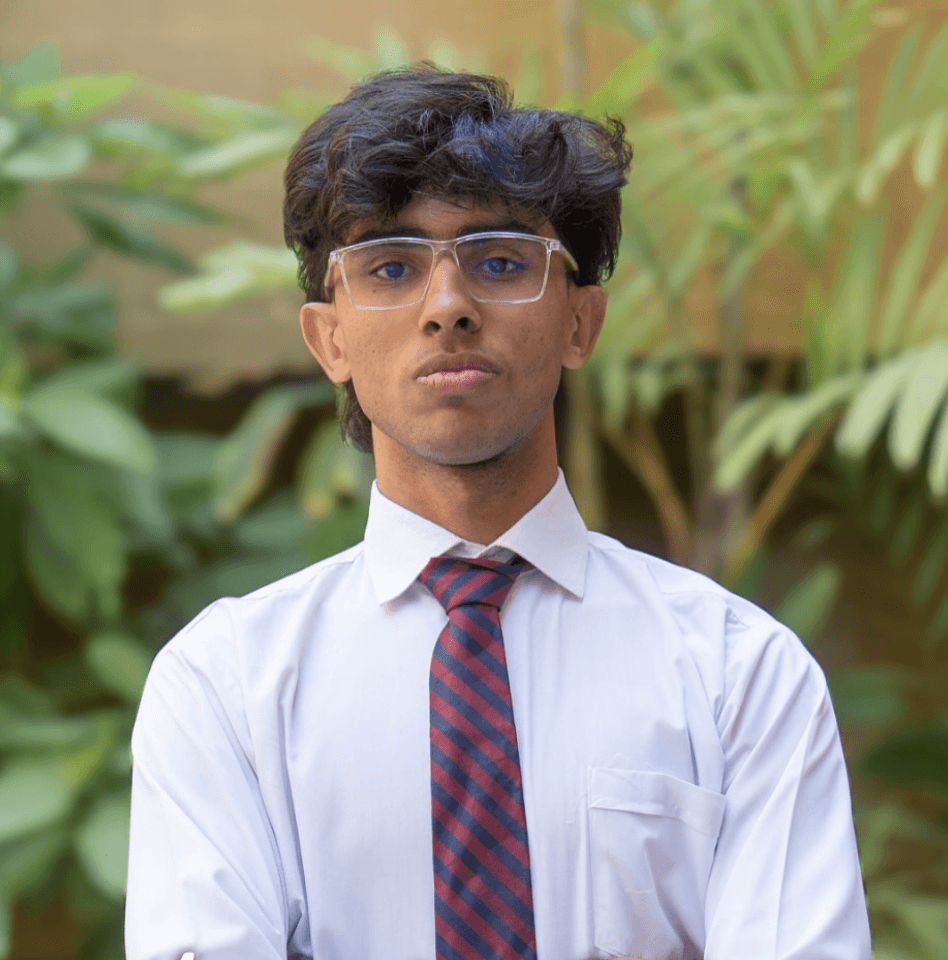
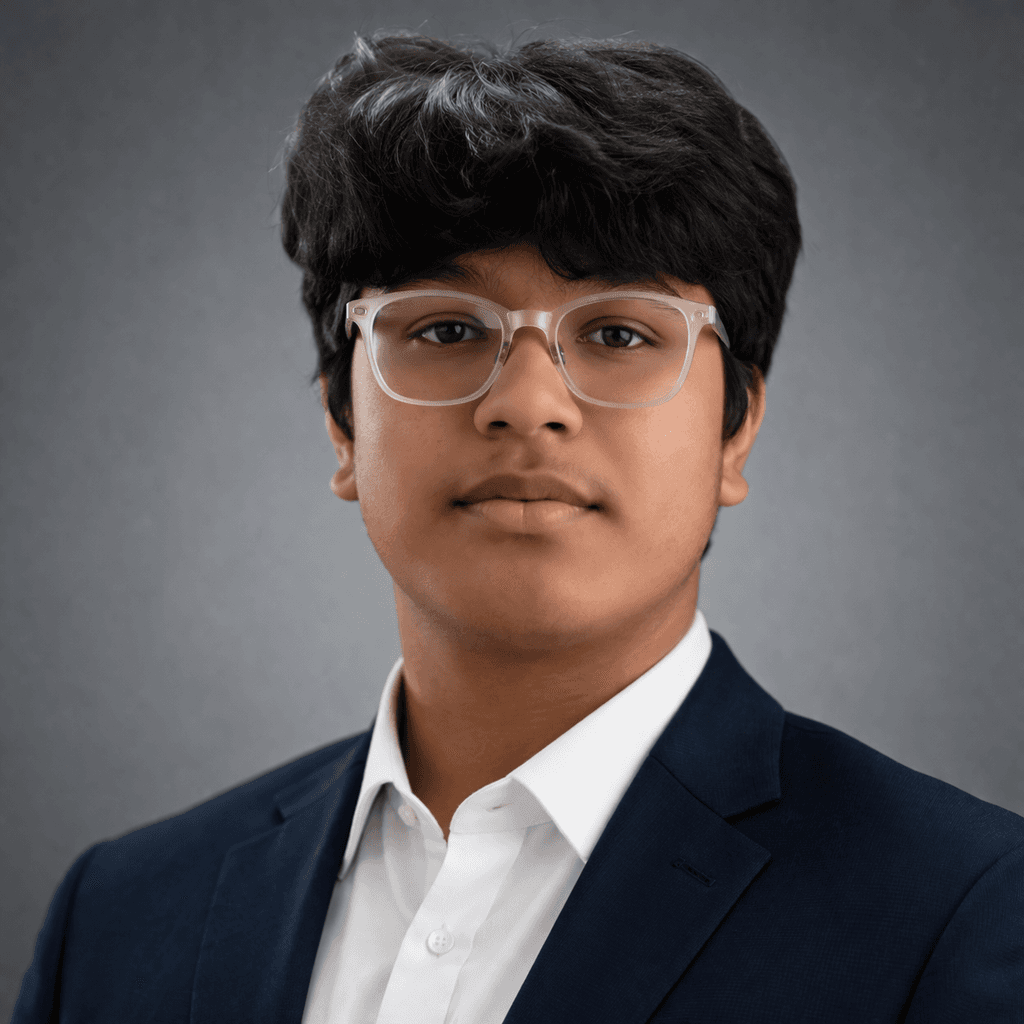
One example: Aditya S. joined YRI as a junior with no research experience, built a neural network pipeline for anomaly detection in cloud systems with his PhD mentor, published in IEEE Xplore, and won Best Oral Presentation at IEEE AAIML 2026 in Tokyo. More results are on the Published Work page.
The difference in design is the useful part. Veritas AI teaches AI and supports publication in its one-on-one tier. YRI is built around the published paper itself, and keeps helping after week ten until it is accepted.
Time commitment and schedule
Veritas AI runs cohorts in winter, spring, summer and fall. AI Scholars is 25 hours, either 10 Sunday classes or a 2-week intensive. The Fellowship is 15 weeks plus a publication timeline. Veritas AI's compare page lists a winter application deadline of November 29, 2026.
YRI has rolling admissions and a decision within 48 hours. The Fellowship is 10 weeks at 5 to 8 hours a week, including the weekly 1:1 session, scheduled around school. Because it starts any time of year, a student can plan backward from a science fair or college application deadline.
Prerequisites and admission
Veritas AI's Fellowship requires Python basics or completion of AI Scholars. Veritas AI says about 3 in 10 applicants received an offer in 2025, and that aid places are the most competitive.
YRI requires no research experience. Several Fellows started with no coding experience at all, and the mentor teaches what the project needs. If your student is new to machine learning, our guide on how to do AI and ML research shows what a publishable first project looks like.
Who should choose Veritas AI
Veritas AI is a good fit for some families, and we would rather say so:
- Your student has never coded and wants a guided first course in AI with peers. AI Scholars starts from Python basics.
- AI is the only field your student wants, and an AI-only mentor pool appeals to you.
- You qualify for need-based aid that can bring the price down substantially.
- You want a medicine or finance flavored AI course, through one of Veritas AI's Deep Dive programs.
- College credit matters. Veritas AI says students who complete a high school program are eligible for UC San Diego Extended Studies credit.
Who should choose YRI
- The goal is a first-author paper in an IEEE, Springer or Elsevier venue, not a student journal. Our guide to journals that publish student research explains why the venue matters.
- Your student's interest is AI plus another field, or a different field entirely.
- You want one price under $3,000 for one-on-one work, with no prerequisite course.
- You want ISEF and JSHS preparation included with the same research.
- You want help that continues until the paper is published, not until a session count runs out.
Questions to ask both programs
Frequently Asked Questions
Is Veritas AI or YRI better?
They are built for different goals. Veritas AI is strong for a structured introduction to AI and offers a one-on-one Fellowship for AI projects. YRI is built for a first-author paper in IEEE, Springer or Elsevier venues in any field, at $2,997, with competition preparation included. 87% of YRI Fellows publish.
How much does Veritas AI cost?
Veritas AI does not list prices on its program pages. Its blog says high school programs start at $2,690 for AI Scholars. Immerse Education reports AI Scholars at $2,490, the AI Fellowship at $5,900 and a combined bundle at $7,900. Confirm the current price with Veritas AI.
How much does YRI cost?
$2,997, or three payments of $999. That includes the PhD mentor, editing, submission, ISEF and JSHS preparation, a letter of recommendation and help until the paper is published. Scholarships are considered case by case.
Can YRI students do AI research?
Yes. Many Fellows work in machine learning, often applied to medicine, biology, finance or engineering, with a PhD mentor matched to that field.
Does either program guarantee publication?
No program can promise that a journal accepts a paper. Veritas AI says publication is not guaranteed. YRI keeps helping at no extra cost until the paper is published, and 87% of Fellows publish.
Do I need coding experience?
For the Veritas AI Fellowship, yes: Python basics or AI Scholars. For YRI, no research or coding experience is needed.
How the YRI Fellowship helps your student publish
If the goal is a published paper, the YRI Fellowship is built for exactly that. Your student works 1:1 with a PhD mentor every week for 10 weeks, the editing team reviews every draft, and the publishing team submits the paper to IEEE, Springer or Elsevier journals and conferences. ISEF and JSHS preparation and a mentor letter of recommendation are included, and help continues at no extra cost until the paper is published. More than 1,000 students from 50+ countries have done it, and Fellows have been admitted to Brown, Johns Hopkins, Stanford, Caltech and Harvard.
See how the YRI Fellowship works, compare the details on the pricing page, and apply for a decision within 48 hours.
Sources
- Veritas AI: AI Fellowship (15 sessions, 4 publication sessions, stages, named journals, 79% figure, prerequisites)
- Veritas AI: Compare programs (AI Scholars hours, Accelerator sessions, winter deadline)
- Veritas AI blog: Is Veritas AI worth it (run by Lumiere Education, programs start at $2,690, 3 in 10 offers, aid)
- Veritas AI: homepage (students taught, countries, aid, UCSD credit)
- Immerse Education: Veritas AI 2026 programme fees
- YRI: Veritas AI review
- YRI Fellowship: program details
- YRI Fellowship: pricing
- YRI case study: Aditya S., Best Oral Presentation at IEEE AAIML 2026