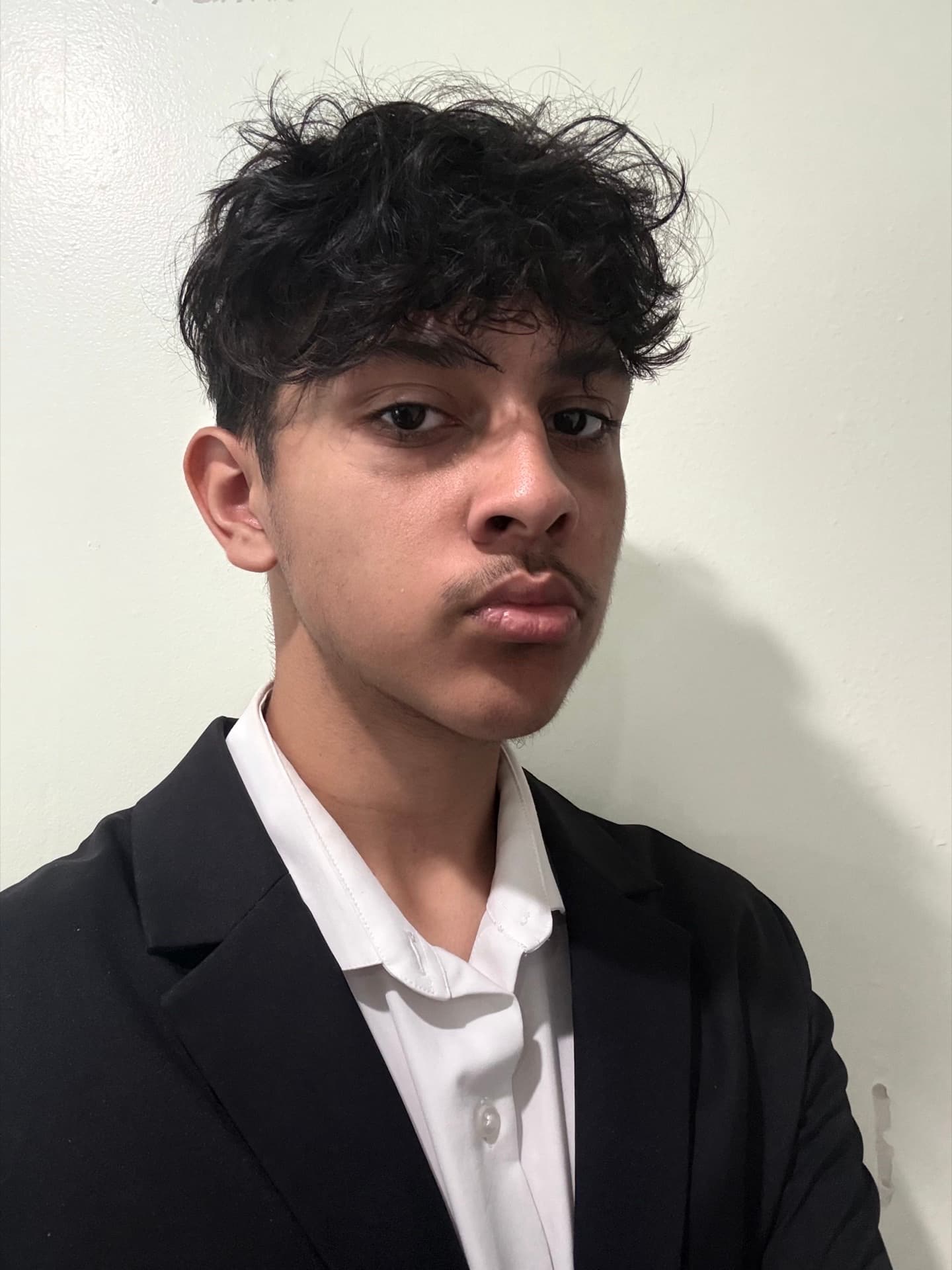
Aarav Brahmbhatt
From zero research experience to IEEE-published author as a 9th grader
Where Aarav Started
His Background
- • 9th grader at The Wardlaw-Hartridge School in Edison, NJ
- • Interested in using AI for real-world applications
- • Curious about computer vision and intelligent systems
- • No prior research or publication experience
His Goals
- • Conduct original AI research with real-world impact
- • Publish in a peer-reviewed venue
- • Build expertise in computer vision and machine learning
- • Get a head start on a research profile before high school
The Problem He Wanted to Solve
"I wanted to create something that not only detects traffic, but also uses the information to predict future problems. Traffic accidents kill over a million people globally every year, and I believed AI could help make roads safer."
— Aarav, before joining YRI
The Research
Working with his YRI mentor, Aarav developed an AI framework that predicts traffic incident likelihood, expected waiting time, and CO2 emissions from static traffic scene images. His approach combines computer vision with machine learning regression to create a scalable, low-cost solution for intelligent traffic monitoring.
Urban Traffic Incident Prediction via YOLO-based Detection and Random Forest Modeling
Traffic incidents cause 1.19 million annual fatalities globally; manual monitoring is not scalable
Traffic imagery obtained via API from the Pexels public image database
YOLO object detection for vehicle counting, Random Forest regression for prediction
High predictive accuracy for incident likelihood, waiting time, and CO2 emissions
YOLO + Random Forest Pipeline
Aarav's system uses a two-stage approach: YOLO detects and classifies vehicles in traffic images, producing annotated outputs with bounding boxes and detection metadata. These extracted features then feed into a Random Forest regressor to predict three critical traffic variables.
Vehicle category counts with bounding boxes and confidence scores
Individual, total, and weighted vehicle counts as model inputs
Incident likelihood, waiting time, and CO2 emissions in one model
The Outcome
Published in IEEE Xplore
1st International Conference on Intelligent Technologies for a Sustainable and Inclusive Future
May 29-30, 2026
IEEE
I wanted to create something that not only detects traffic, but also uses the information to predict future problems. My YOLO-based traffic prediction system got accepted to IEEE ICITSIF 2026, all as a 9th grader.

9th grader interested in AI, no research experience, no publications
IEEE-published author with an AI traffic prediction framework accepted to an international conference
Why This Research Matters
Annual traffic fatalities globally that AI-based monitoring could help reduce
Economic losses from traffic congestion in the US alone (INRIX 2024)
Low-cost framework applicable to any urban traffic monitoring system
Ready to Start Your Research Journey?
Join the YRI Fellowship and work with expert mentors to conduct original research, publish in top venues, and present at international conferences.
Apply Now