Notes on getting
published young.
Research methodology, publication strategy, and admissions intelligence, written by the mentors and Fellows who use it.
PAGE 12

Stanford Admissions: What They Really Want
Stanford's acceptance rate is under 4%. What makes applicants successful? An inside look at Stanford's unique culture, what they're really looking for…

How to Start a Nonprofit in High School
Most student 'nonprofits' are resume padding. Here's how to build a real organization with measurable impact that strengthens your college application and…
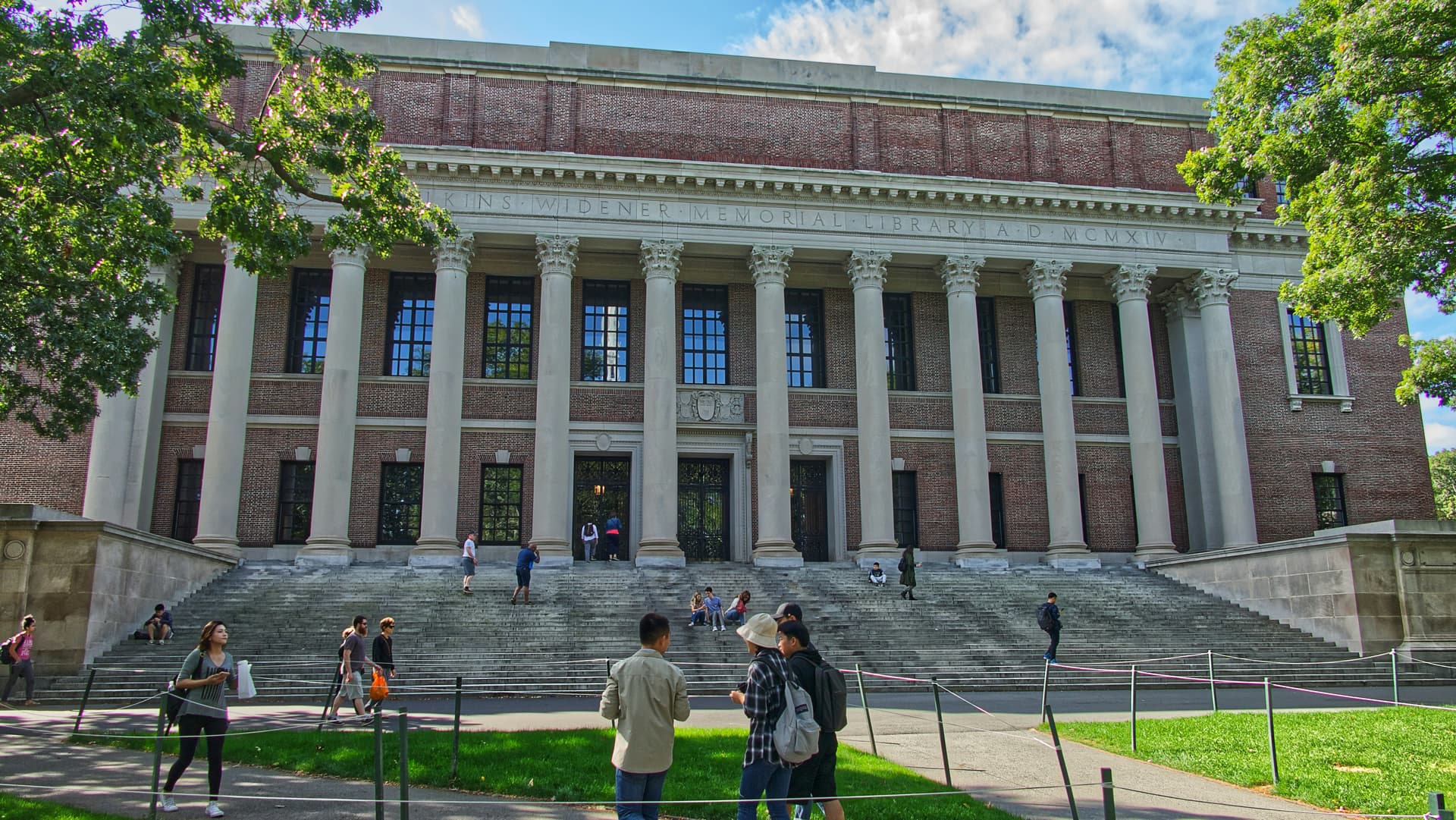
What Harvard Admits Actually Look Like in 2026-2027
Data-driven analysis of who actually gets into Harvard. Beyond the statistics, what profiles succeed? What activities matter?

What Parents Get Wrong About College Prep
Most parents follow an outdated college prep playbook. Here's what the data shows about what actually gets students into top universities, and why the…
Why 4.0 GPA Won't Get You Into Harvard Anymore
47,000 students apply to Harvard with perfect GPAs and test scores. 43,000 get rejected. Learn what actually differentiates successful applicants and how to…
Why Starting Junior Year Is Already Too Late
If you're a junior just starting to think about differentiation, you're behind. Here's the honest math on what's possible, and the accelerated paths that…
How to Email a Professor for Research (Templates)
Proven email templates for contacting professors about research opportunities. Learn what to write, common mistakes to avoid, and how to follow up.
Research Paper Examples: How to Write Each Section
Worked examples of every section of a research paper, abstract through discussion, with the IMRaD structure explained.
Science Fair Poster Layout (Free Templates + Examples)
Free science fair poster templates and layout guides. Learn the standard tri-fold board layout, what sections to include, and design tips that impress judges.


Reading about research is not a credential. Publishing it is.
Ten weeks with a PhD mentor, an original paper submitted to venues such as IEEE and Springer, and support until it is published. 87% of Fellows publish.