The YRI Research Fellowship runs 10 weeks: your child is matched with a PhD mentor in week 1, does the research in weeks 1 to 6, writes the paper in weeks 7 to 9, and submits it to a journal such as IEEE or Springer in week 10. After week 10, the competition coach prepares them for science fairs, and the mentor keeps helping, free, until the paper is published.
This guide walks through each stage of the YRI Fellowship so you know exactly what your child will be doing, how much time it takes, and what they finish with.
The YRI Fellowship timeline at a glance
| When | Stage | What happens |
|---|---|---|
| Today | Apply | A short form. It takes about 10 minutes. |
| Week 1 | Get matched | Your child is paired with their own PhD mentor. Unlimited 1:1 sessions, every week. |
| Weeks 1 to 6 | Research | The mentor helps your child come up with the idea, then walks them through every step of the research. |
| Weeks 7 to 9 | Write | YRI's writing team edits every draft with them until the paper is ready. |
| Week 10 | Publish | YRI's publishing team submits it to a journal or conference such as IEEE or Springer. |
| Week 10 on | Compete | A competition coach preps them for every major competition and rehearses judge questions. |
| After week 10 | Support continues | If the journal asks for changes, the mentor keeps helping until it is published. Free. |
The weekly time commitment is 5 to 8 hours, set around school, including the weekly 1:1 with the mentor.
Before week 1: apply and get a decision
The process starts with a short online application. It takes about 10 minutes, has no fee and no essays, and you get a decision within 48 hours. A person reads every application.
Your child does not need research experience, a research idea or perfect grades. Most Fellows start with none of those. YRI looks for curiosity and a willingness to put in the hours. For tips, see how to apply to the YRI Fellowship and our guide to the YRI Fellowship acceptance rate.
Tuition is settled only after acceptance: $2,997, or 3 payments of $999. Full details are in our YRI Fellowship cost guide.
Week 1: matched with a PhD mentor
In week 1, YRI pairs your child with their own PhD mentor, chosen from a network of more than 1,000 PhD mentors. The match is by field: YRI looks for a PhD who has published on your child's exact topic.
Fields covered include:
- AI and machine learning
- Biology and medicine
- Physics and engineering
- Chemistry and the environment
- Economics and psychology
- The humanities, including history, philosophy, ethics and projects that mix subjects
From this point, your child has unlimited 1:1 sessions with the mentor, every week. Read more about who the mentors are in YRI Fellowship mentors.
Weeks 1 and 2: finding the research question
The first two weeks are spent with the mentor finding the right question, not reading a textbook. The question comes from what your child already cares about. A student who loves space might end up working on exoplanets. A student who cares about health might end up with a medical AI project.
This stage matters because a good question is what makes the rest of the ten weeks work. The mentor helps shape an original idea, held to peer-review standards from the start.
Weeks 3 to 6: doing the research
Once the question is set, the mentor walks your child through every step of the research. Your child designs the study and collects or analyzes original data, held to peer-review standards from day one.
The work is your child's own. The mentor guides the method, explains each step, and checks the results, but your child does the thinking and builds the project. That is what allows them to explain every line of it later, in a college interview or in front of science fair judges.
The research stage runs through week 6, and what your child finds becomes the core of the paper.
Weeks 7 to 9: writing the paper
In weeks 7 to 9, your child writes the manuscript. YRI's writing team edits every draft with them until the paper is ready, with structured feedback from both the mentor and the editors.
The goal is a manuscript written to journal submission standard. Your child's name goes first. It is their paper. The mentor guides the research and the editors get it ready for the journal, but the work and the credit belong to your child.
Week 10: submission to IEEE, Springer and other venues
In week 10, YRI's publishing team picks the venue and submits the paper to a journal or conference such as IEEE or Springer. Fellows have published at IEEE, Springer and Elsevier venues, and every published paper links to the publisher's own index, such as IEEE Xplore, so anyone can look it up.
The deliverable at the end of week 10 is a first-author manuscript submitted to a peer-reviewed venue, and a student who can defend every line of it.
After week 10: science fairs and support until published
The program ends at week 10. YRI's help does not.
Competition preparation
From week 10 on, YRI's competition coach prepares your child to take the same research to ISEF, JSHS and regional fairs. That includes the poster and practicing judge questions. 73% of Fellows place at science competitions.
Free help until the paper is published
Peer review can ask for changes. When it does, the mentor keeps working with your child at no extra cost until the paper is published. YRI also helps pick journals where the paper has a strong chance. This is why 87% of Fellows publish.
A mentor letter of recommendation
Every Fellow also receives a letter of recommendation from the PhD mentor who worked beside them.
What the timeline looks like for actual Fellows
The site's student stories show how the ten weeks play out:
- Sadaf S. joined the summer before senior year with no research background. In 10 weeks she completed original research on neural network optimization for classification systems, and the paper was accepted at an IEEE conference. She was later admitted to Brown and Johns Hopkins.
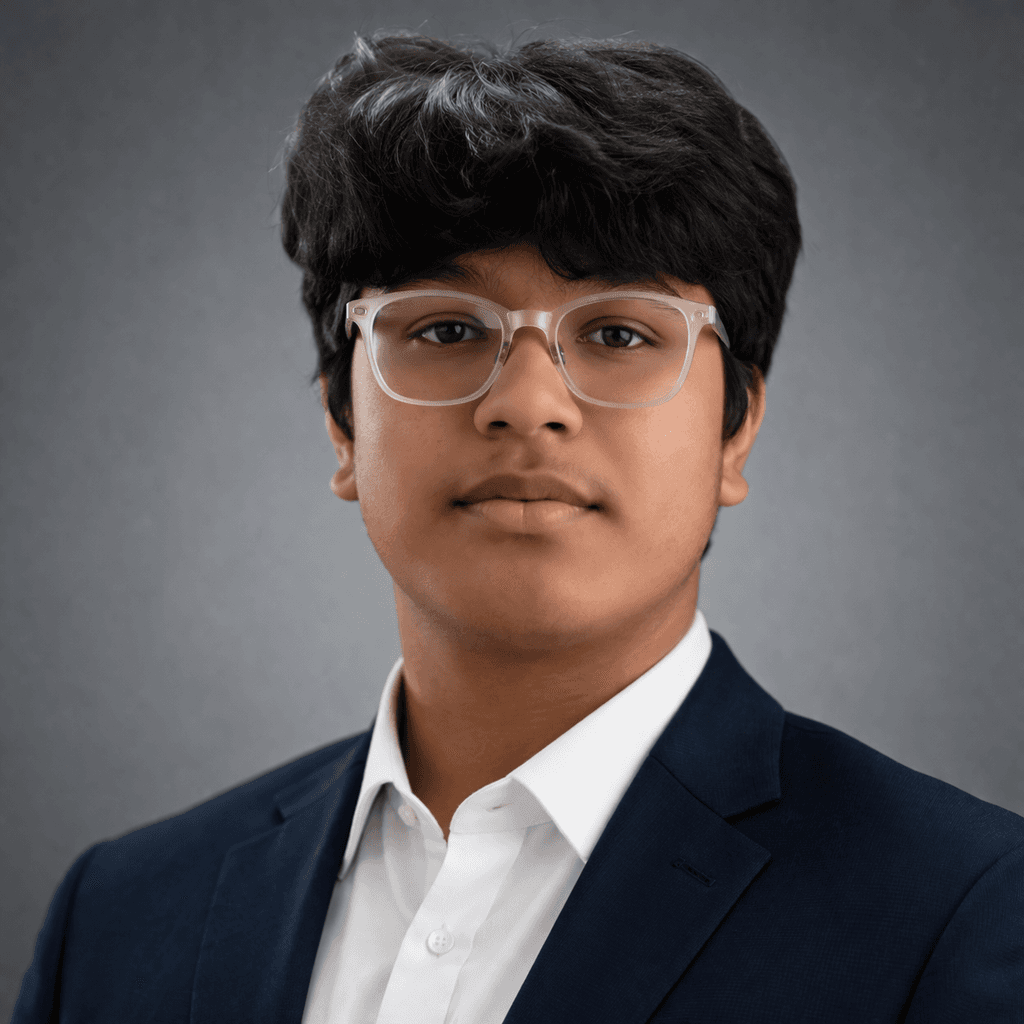
- Ashwajit W. went from enrollment to a Springer paper and an international conference talk in 2 months.
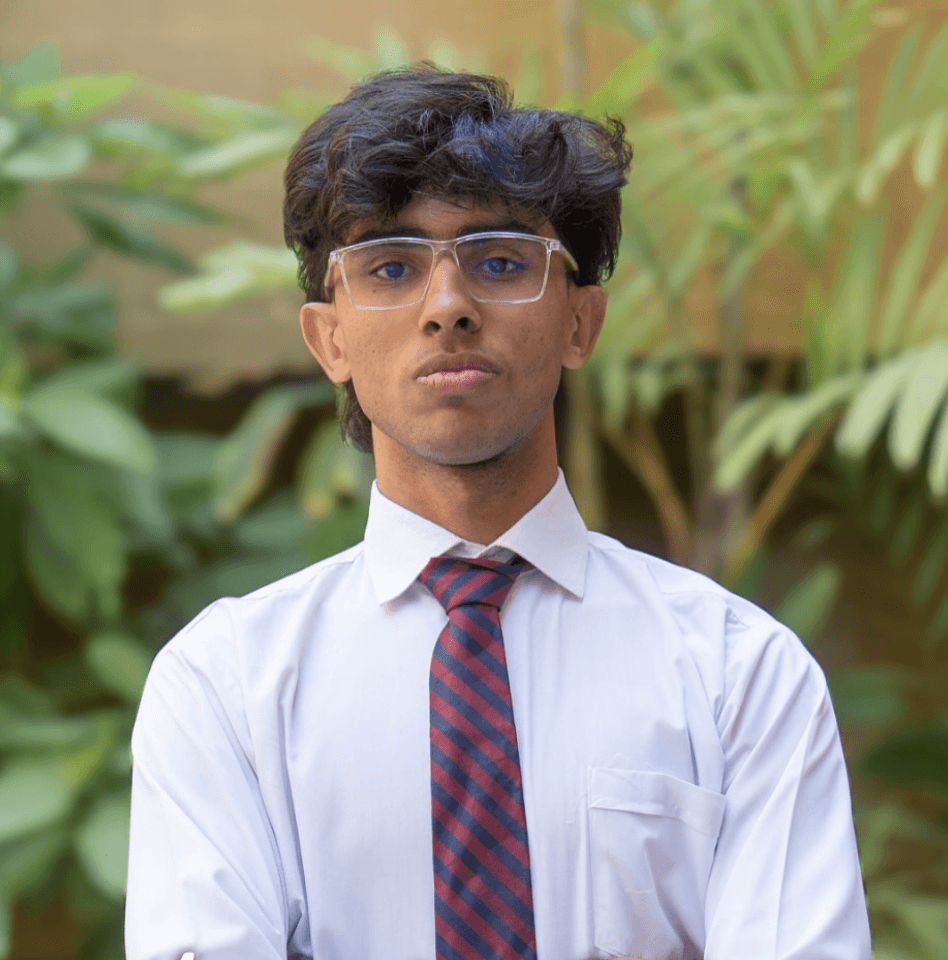
- Suriya D. joined as a 9th grader with zero research experience and had his research accepted at IEEE EMBC 2026.
- Mubashir S. started with zero research experience and qualified for Regeneron ISEF 2026.
Every timeline is a little different, since journal review schedules vary. See more on Published Work and in Student Stories.
How much time does the YRI Fellowship take each week?
Most Fellows spend 5 to 8 hours a week, including the weekly 1:1 with the mentor. Sessions are scheduled around your child's school and activities. The Fellowship is built to fit into a school term, not fight it.
Frequently asked questions
How long is the YRI Fellowship?
10 weeks, with unlimited 1:1 sessions with a PhD mentor. Support continues free after week 10 until the paper is published.
When does my child get a mentor?
In week 1. YRI matches each student with a PhD mentor who has published in their field.
What if my child has never done research?
That is normal. Most Fellows start with no research experience. The first two weeks are spent with the mentor finding the right question.
Is the paper published by the end of week 10?
The paper is submitted around week 10. Publication depends on the journal's review schedule. If the journal asks for changes, the mentor keeps helping, free, until it is published.
Does the Fellowship include science fair preparation?
Yes. From week 10 on, a competition coach prepares your child for ISEF, JSHS and regional fairs and rehearses judge questions.
Can the YRI Fellowship run during the school year?
Yes. Sessions are set around your child's schedule, and most Fellows spend 5 to 8 hours a week.
What comes after the Fellowship?
Some families continue into the YRI Top 1% Profile, a 6 to 9 month program built for Ivy League admissions. A published paper is the strongest possible start.
Ten weeks from now, your child could be a published researcher
The plan is simple: a mentor in week 1, results by week 6, a finished paper by week 9, a submission in week 10, and support until it is published. Applying takes 10 minutes and the decision comes within 48 hours.
See the YRI Research Fellowship or review tuition and payment plans on the pricing page.